



Social-First Celebrity Campaigns: How Healthcare Brands Are Winning on TikTok, Instagram, and Beyond
Social-First Celebrity Campaigns
How Healthcare Brands Are Winning on TikTok, Instagram, and Beyond
In today’s healthcare marketing landscape, audiences are consuming content differently, and social-first campaigns are leading the shift. Patients, caregivers, and healthcare professionals aren’t just watching TV commercials anymore; they’re scrolling, engaging, and sharing on TikTok, Instagram, YouTube, and beyond.
For healthcare brands, the challenge isn’t just being seen, it’s being trusted. That’s where the right celebrity or influencer partnership comes in. At Amy Doner Group, we help brands harness the power of authentic voices to drive connection, inspire action, and navigate social-first healthcare marketing compliantly.
Why Social-First Strategies Matter in Healthcare
Traditional marketing channels still have value, but social-first campaigns offer what TV and print can’t:
- Instant engagement: Likes, comments, shares, and bookmarks
- Peer-driven trust: Patients rely on community recommendations more than brand ads
- Agile storytelling: Content can evolve quickly based on real-time audience feedback
Healthcare topics are deeply personal. On social, relatable voices can make complex conversations feel accessible and human.
Celebrities, Influencers, and Advocates: Choosing the Right Voice
One of the biggest mistakes brands make is treating reach as the goal. In healthcare, fit matters more than fame.
When to Leverage Celebrity Voices
- For broad awareness campaigns
- When breaking down stigma around a condition
- To create national-level credibility
- When celebrity connection to the cause is authentic
Example: Cyndi Lauper’s ongoing partnership with Cosentyx works because she openly shares her psoriasis journey. Her voice resonates because her story is real.
When to Lean on Influencers
- To reach specific demographics or niche patient communities
- For campaigns targeting caregivers or chronic condition audiences
- To foster peer-to-peer dialogue in comments and shares
Example: For chronic migraine campaigns, micro-influencers often drive higher engagement rates than A-list talent because audiences see them as relatable peers.
Patient Advocates & Healthcare Experts
The fastest-growing segment in healthcare marketing? Patient advocates and medical influencers. They combine lived experience with credibility, making them powerful partners for campaigns on TikTok and Instagram.
TikTok, Instagram, and YouTube: Where Healthcare Brands Are Winning
TikTok
- Why It Works: Raw, authentic storytelling thrives here.
- Best Use Cases: Rare disease awareness, patient education, symptom normalization.
- Why It Works: Visual-first, high trust-building potential.
- Best Use Cases: Campaign storytelling through Reels, patient experiences, and celebrity-led Q&As.
YouTube
- Why It Works: Longer-form education meets search-driven discovery.
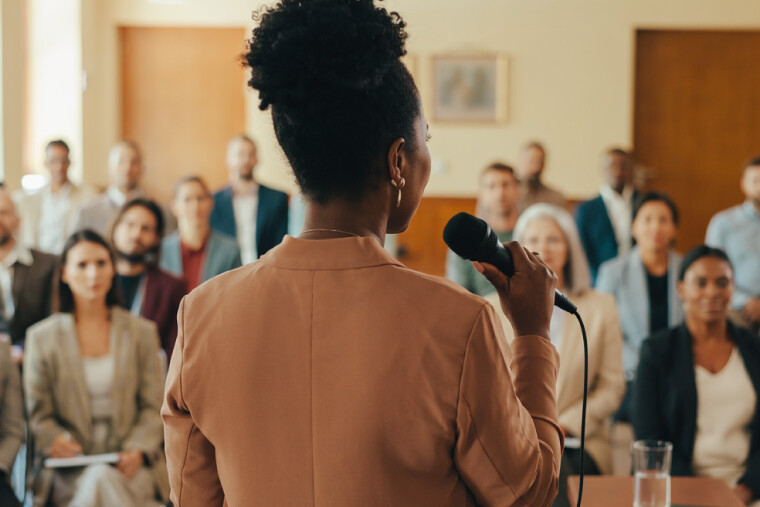
- Best Use Cases: Speaker panels, patient stories, campaign highlights, and Q&A series.
Why Social-First Storytelling Works
Healthcare conversations have shifted from broadcasted messages to shared experiences. Today’s audiences expect:
- Authentic voices that feel relatable
- Interactive content that invites dialogue
- Stories that inspire trust and encourage next steps
When celebrity partnerships and influencer activations are designed with platform-first strategy in mind, campaigns resonate more deeply, spark organic sharing, and extend beyond paid reach.
That’s where the right partner makes the difference.
The Amy Doner Group Advantage
At Amy Doner Group, we help brands unlock the power of authentic, social-first campaigns by pairing the right voice with the right platform at the right time.
Whether your campaign calls for a nationally recognized spokesperson, a trusted patient advocate, or a rising micro-influencer, we focus on creating partnerships that feel genuine, personal, and compelling. That’s what drives action.


How Star Power Can Amplify Rare and Unspoken Disease Awareness
How Star Power Can Amplify Rare and Unspoken Disease Awareness
When it comes to awareness, sometimes a smaller audience needs a louder voice.
When we think of celebrity health awareness campaigns, our minds often gravitate to the big ones, heart disease, cancer, and diabetes. And for good reason: these conditions affect millions, and with enough visibility, the impact of awareness can be enormous.
But what about the lesser-known, more stigmatized conditions? The ones that don’t make headlines or attract major research dollars. Do they benefit from celebrity endorsement?
We think so and in many cases, even more so.
Rare Isn’t the Same as Small
While individually rare diseases affect fewer people, collectively they impact over 25 million Americans. That’s not a niche, that’s a population.
And yet, many of these conditions remain underfunded, underdiagnosed, and misunderstood. Raising awareness takes more than facts, it takes visibility. That’s where the right celebrity can play a powerful role.
Familiar Faces Can Shift the Dialogue
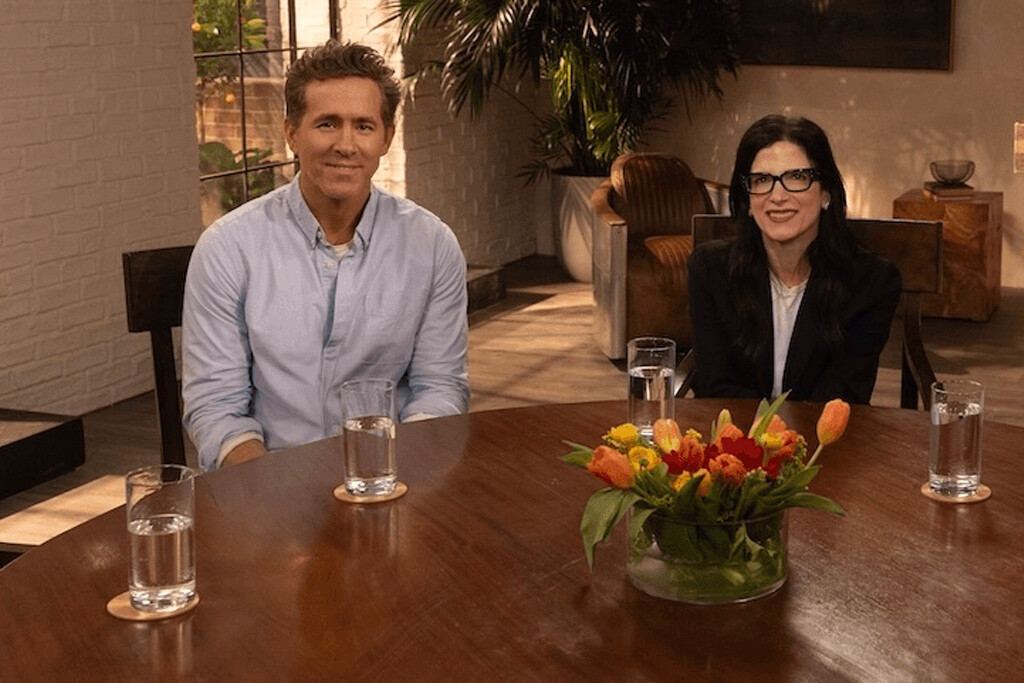
Celebrities don’t just bring an audience. They bring familiarity and trust, two things that can break down barriers around taboo or overlooked conditions.
When a spokesperson shares a personal connection, they humanize the condition. They make it real. And in doing so, they open the door for patients to seek care, families to ask questions, and doctors to listen differently.
We’ve seen firsthand how the right spokesperson can lift stigma, clarify misconceptions, and encourage patients to speak up. It’s not always about reach, it’s about resonance.
Media Moments Still Matter
From satellite media tours to social storytelling, the media appetite for authentic, mission-driven campaigns remains strong. A well-matched celebrity can help your rare disease campaign get airtime it might otherwise never garner.
Even more importantly, they can drive specific conversations, in doctor’s offices, patient communities, and family living rooms where they matter most.
It’s Not One-Size-Fits-All
The best spokesperson isn’t always the biggest name. In fact, the most effective partnerships often come from shared experiences, a diagnosis, a caregiver role, or a personal story that resonates deeply.
Over the years, we’ve helped campaigns tackle topics that once carried far more stigma than they do today. Conditions like irritable bowel syndrome, low testosterone, and stress urinary incontinence used to be considered too uncomfortable for mainstream media. Now, they’re more openly discussed, in part because the right voices helped normalize the conversation.
That’s the power of thoughtful, well-matched talent.
So, Do Rare Disease Campaigns Make an Impact?
If the goal is to raise awareness, reduce stigma, or encourage early intervention, then yes, celebrity involvement can amplify all of it.
The secret isn’t fame. It’s fit.
When the voice, message, and mission are aligned, even a modest campaign can make an outsized impact, especially for the patients and families who need it most.