





Some celebrity campaigns ask people to listen. Tour de 4 gave thousands of people a way to take part.
A cycling event led by one of Britain’s most accomplished Olympians could easily become a demonstration of exceptional physical performance.
Tour de 4 is more interesting because it is designed not to.
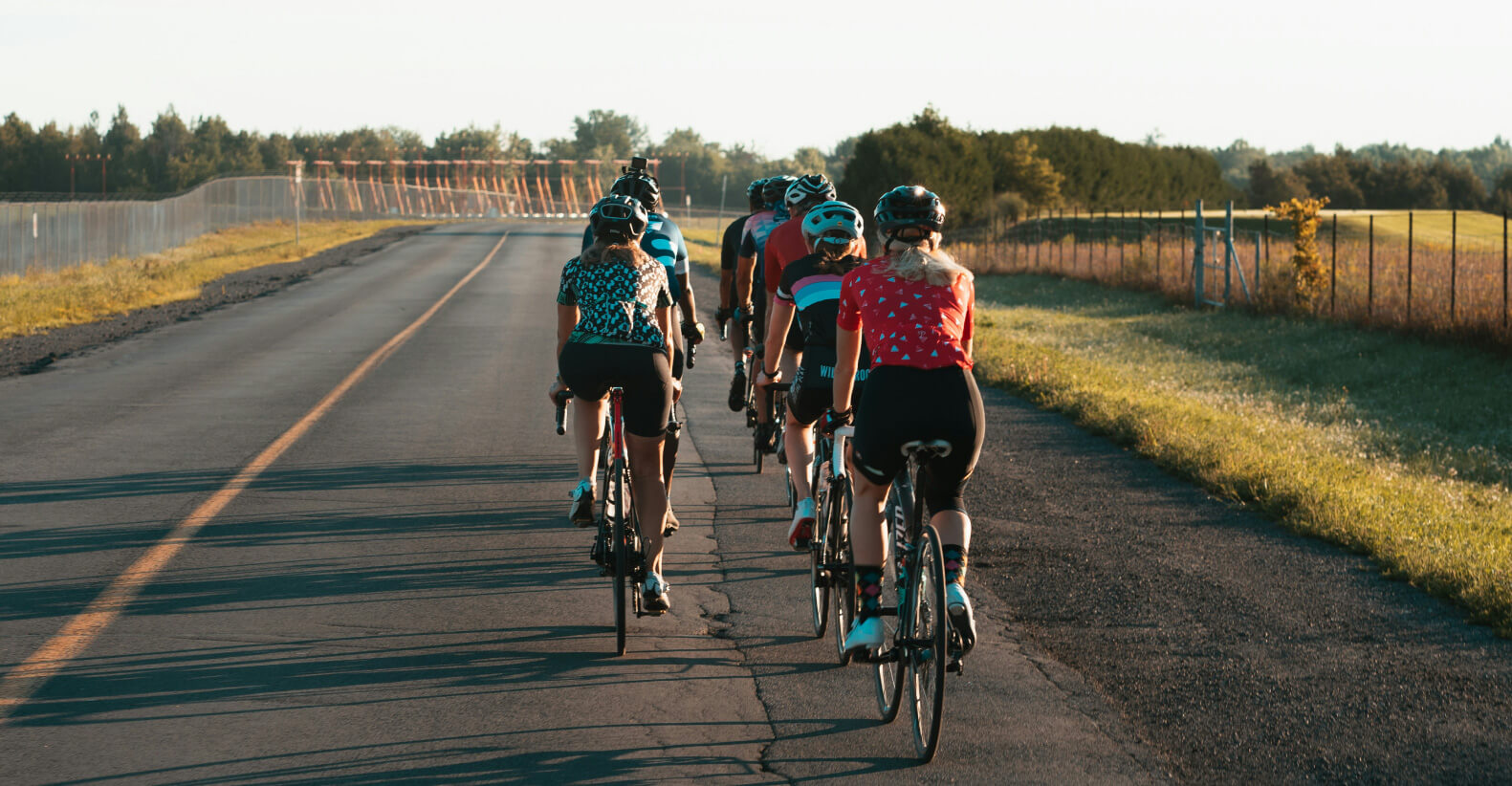
Founded by Sir Chris Hoy following his stage 4 prostate cancer diagnosis, the event returned to Glasgow on September 6, 2026, drawing around 3,500 riders. Participants could choose among several forms of involvement, ranging from a 56-mile route to a one-kilometer family ride and a static cycling challenge.
The event did more than tell audiences that life continues after an advanced cancer diagnosis. It created a public setting in which people affected by cancer could participate according to their own circumstances.
That distinction matters.
This is not evidence that exercise changes the course of advanced cancer. It is not a suggestion that every person can or should complete a physical challenge. The message is carried by the range of participation, not by the number of miles covered.
The activity is not a backdrop for the campaign. It is the campaign’s argument.
The event does more than illustrate the message
Celebrity health campaigns often include an event. The public figure appears, offers remarks, meets participants, and creates a reason for the media to attend.
In that model, the event supports the communications asset. The interview, photograph, or video remains the central piece of the campaign.
Tour de 4 reverses that relationship.
At this year’s event, around 3,500 riders took part. The format again ranged from demanding road routes to a family ride and static-bike participation, giving people different ways to enter the event rather than defining participation through one level of physical ability.
Those choices allowed the event to communicate through visible participation rather than a polished claim. The story was not simply that Sir Chris Hoy was riding. It was that thousands of people affected by cancer, directly and indirectly, were taking part alongside him.
The press did not have to repeat an abstract statement about people living with stage 4 cancer. It could report that people with cancer, relatives, friends, advocates, and supporters had come together and ridden in different ways.
That does not make the event representative of every advanced cancer experience. It makes room for more than one experience to be present.
The message would fail if only the celebrity could perform it
Hoy’s relationship to cycling gives the event its natural form. The activity is connected to his public identity, personal history, and existing community.
That fit gives the invitation credibility.
It also creates a risk. If the campaign centered only on an elite athlete completing a difficult route, the event could reinforce distance rather than challenge assumptions. The public might admire what Hoy can still do without seeing a place for anyone whose health, treatment, disability, age, or experience looks different.
The range of participation protects the campaign from becoming a test of endurance.
The event was deliberately built around different levels of participation, from time on a static bike to increasingly demanding outdoor routes. That range matters. A campaign about living with advanced cancer should not turn physical ability into evidence of courage, optimism, or worth.
Hoy gives the event its organizing idea. The event design prevents his performance from becoming the standard everyone else is expected to meet.
That is the more useful lesson for celebrity partnerships. The talent’s identity can shape the action without requiring the community to resemble the talent.
Participants are not background characters
In a conventional celebrity event, the crowd often confirms the importance of the person at the center. People attend to see the talent, support the talent, or become part of a photograph around the talent.
Tour de 4 gives participants a more substantial role.
Public coverage of the first event included people living with different stage 4 cancers, people adapting to changes in physical ability, relatives riding together, and participants honoring people who could no longer be there. Their reasons for taking part were not interchangeable.
That plurality changes the communications value of the event.
Hoy attracts attention and establishes the premise. The participants expand its meaning. They are not present simply to demonstrate the celebrity’s influence. They become part of the public account of what advanced cancer can look like.
This is particularly relevant for unbranded healthcare campaigns. A recognized person may create the entry point, but the campaign becomes more credible when the public figure is not asked to represent every patient, caregiver, or family.
The celebrity opens the conversation. The structure allows other people to speak within it.
Participation creates a different kind of earned attention
An interview gives the media a statement. An event gives them something happening in real time.
There are people preparing, arriving, attempting, adapting, supporting one another, finishing, or deciding what participation means for them. There are also reasons to return to the story before the event, during it, and after it.
That creates a different kind of campaign life.
The 2026 event has already raised approximately £2.7 million for cancer charities. The total was still being reported as current in the days immediately following the ride. Last year’s inaugural event ultimately raised more than £3.1 million.
Those figures demonstrate substantial participation and fundraising. They do not establish that the event changed every audience perception or health behavior. Nor does a charity event replace sustained investment in cancer research, patient services, access, or policy.
Its value is that it gives people and organizations a public way to contribute to work that extends beyond the event itself.
It also reduces the campaign’s dependence on repeated celebrity disclosure.
When a partnership has no action beyond media appearances, the talent may be asked to keep retelling the diagnosis, revealing additional personal information, or supplying new emotional material whenever attention slows.
A participatory platform creates other sources of relevance. The community, the returning event, the funds raised, the charities supported, and the experiences of participants can all move the story forward.
Not every condition needs a challenge event
The lesson from Tour de 4 is not that every healthcare organization should build a walk, ride, race, or physical challenge around a celebrity.
An activity can easily become exclusionary. It can oversimplify the realities of a condition or create pressure to perform resilience in public. A format that appears natural for an athlete may feel imposed on the patients and families the campaign is intended to support.
The action has to fit both the talent and the community.
In another campaign, participation might mean contributing to research, attending a screening, sharing a caregiver resource, joining a creative project, volunteering, or spending time with patients and families. The act may be public or quiet. Sometimes, simply showing up for patients, families, or a community can carry more weight than a highly produced activation.
What matters is whether the participation makes the campaign’s point more clearly than another statement from a spokesperson would.
Tour de 4 succeeds editorially because cycling is credible for Hoy and adaptable for others. The event can accommodate a long ride, a short ride, a static bike, support from the sidelines, fundraising, or remembrance without pretending those forms of involvement are identical.
The public action remains recognizable while the threshold for belonging stays flexible.
The strongest celebrity role may be convener
Celebrity procurement for a participatory campaign requires a different judgment from booking someone for an appearance or piece of content.
The central question is not simply whether the person can attract cameras to an event. It is whether their presence makes the invitation feel credible, whether they can share attention with the people affected by the issue, and whether the activity can continue to carry meaning beyond the celebrity moment.
Hoy is central to Tour de 4, but the event is not only a public demonstration of what Hoy can do.
His identity gives the campaign a shape. His diagnosis gives the work a personal reason. His visibility creates attention. The participants turn that attention into a collective act.
That is the distinction healthcare organizations should notice.
A celebrity can deliver a message about a condition. A more ambitious partnership can create a setting in which other people are able to enter the message and express it in their own way.
At the Amy Doner Group, we work with healthcare organizations and agencies to identify not only the right talent, but the role that person can credibly play. Sometimes that role is spokesperson. Sometimes it is a participant, host, or advocate.
The strongest choice is the one that serves the work rather than simply occupying its most visible position.
Sources
- Tour de 4. “Tour de 4 2026.” Current event results. https://www.tourde4.com
- Tour de 4. “About Tour de 4.” https://www.tourde4.com/about
- Maggie’s. “300 Fundraisers Cycle the Tour de 4 for Maggie’s.” September 7, 2026.
https://www.maggies.org/about-us/news/300-fundraisers-cycle-tour-de-4-for-maggies/ - Prostate Cancer UK. “Sir Chris Hoy’s Tour de 4 2026.”
https://prostatecanceruk.org/get-involved/fundraise-for-us/find-a-fundraising-event/tour-de-4