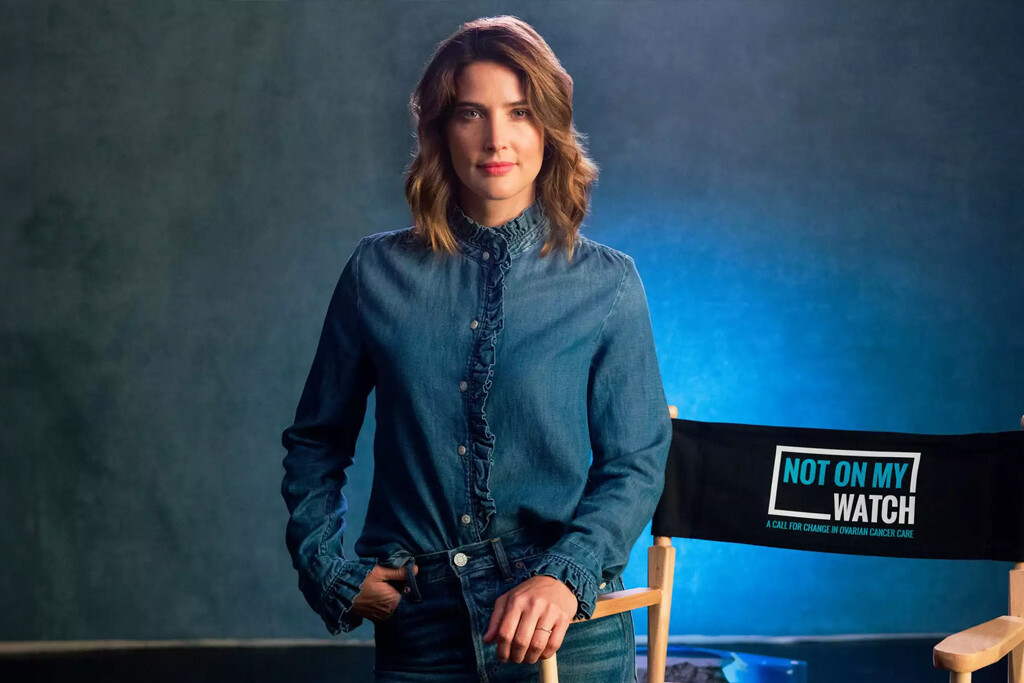






Bringing community perspective in early can lead to a stronger talent choice, a better-defined role, and a campaign patients are more likely to recognize as credible.
There is a familiar point in campaign development when the celebrity shortlist is nearly complete and the patient advocacy organization is invited into the conversation.
The question may be: What do you think of this person?
By then, internal stakeholders may already favor the name. The creative direction may be taking shape. The launch date may be approaching. Even a genuine request for feedback can carry an unspoken preference for agreement. That timing overlooks what patient advocacy can contribute before a choice becomes difficult to reconsider.
People and organizations close to a disease community may see possibilities that a conventional talent review does not. They may recognize that a less obvious candidate has unusual credibility. They may see a stronger way to use the preferred person. They may identify the patient, caregiver, or clinical voices that would make the celebrity’s role more useful.
The opportunity is not simply to prevent a poor choice. It is to make a better one.

Community knowledge can sharpen the shortlist
A talent review can examine public reputation, audience reach, personal connection, availability, media potential, and previous partnerships. An advocacy organization sees the candidate through a different lens.
It may understand how the person’s public history will be received by patients and caregivers. It may recognize that a particular way of discussing resilience, treatment, caregiving, or personal responsibility carries more weight inside the community than it does with the general public. That perspective can reveal risk, but it can also reveal fit.
A public figure’s earlier comments, family experience, advocacy interests, or communication style may have particular relevance that broad audience data does not capture. A candidate who is not the most recognizable name may have a relationship to the issue that gives the campaign greater depth. Another may be able to reach a population that has not felt represented in previous communications.
Patient advocacy can help an organization understand not only how a name may be received, but what the right person could make possible. That is a more valuable contribution than asking for approval after the selection has already been made.
The strongest input may change the role, not the person
Early advocacy involvement does not always produce a different celebrity choice. Sometimes it produces a better role for the same person.
A public figure may be well suited to introduce patients rather than speak for them. The talent may be more credible interviewing caregivers, convening clinicians and advocates, supporting an existing community initiative, or directing attention toward resources patients already trust.
The celebrity still provides recognition and access. The campaign simply becomes more precise about where that person’s authority begins and ends.
A caregiver should be able to describe caregiving. A patient should be able to speak to treatment burden or daily life. A clinician should provide medical context the public figure cannot. The celebrity does not become less valuable by sharing the frame with patients, caregivers, clinicians, and advocates.
Often, the celebrity becomes more credible because the campaign is not asking one person to carry every part of the story.
Patient advocacy can see where those roles should meet. That insight is especially useful before the creative concept has decided that the celebrity must be the sole narrator.
Earlier input gives the campaign more to build from
Late advocacy review tends to focus on what needs to be corrected. Earlier participation can help identify what is worth building.
An advocacy organization may point toward a patient experience that has received too little attention, a persistent misunderstanding that affects care, or a caregiver reality that broader communications routinely overlook. It may know which resources the community already uses and where another awareness message would add little. That knowledge can sharpen the purpose of the celebrity partnership before the campaign begins asking what the talent should say.
PCORI’s expectations for research partnerships provide a useful comparison. They call for patients, caregivers, and other partners to contribute throughout a project, with roles suited to the goals and scale of the work. Those expectations apply to research, not celebrity campaigns. The relevant principle is that perspective becomes more useful when it arrives while the work can still respond to it.
The FDA’s Patient Engagement Collaborative offers a similar parallel. It gives patients, caregivers, and advocates a defined place to contribute perspective without making them the final authority over agency decisions. Celebrity campaigns do not need to copy those structures. They can take a useful lesson from them: community input and decision authority are not the same thing.
A team can invite insight early without handing over confidential negotiations or asking one organization to speak for an entire patient population.
Independence makes advocacy participation more valuable
Advocacy organizations bring trust because their work exists beyond a single campaign. That independence should not be treated as an obstacle to manage. It is part of what makes their participation valuable.
An organization may support the educational purpose of a campaign without endorsing every creative or talent decision. It may agree to connect audiences with resources while maintaining clear boundaries around the celebrity’s statements. It may want patients and caregivers to remain prominent rather than allowing the public figure to become the whole story. Those distinctions are easier to respect when the organization has a defined contribution from the beginning.
The National Health Council’s patient-engagement resources emphasize clear agreements and appropriate compensation for the time and expertise of patients, caregivers, and patient representatives. Those materials were developed for medical product development rather than celebrity procurement, but the underlying point applies here as well.
Lived experience is expertise. It should not be treated as free validation added after the central decisions are complete.
When advocacy participation is based on a real contribution, the resulting relationship can do more than support a launch. It can connect the campaign to trusted resources, introduce voices the celebrity cannot replace, and help the partnership remain relevant after the initial attention fades.
Talent expertise and community knowledge answer different questions
An advocacy organization may understand the patient community deeply while having little visibility into talent availability, representative expectations, usage rights, exclusivity, compensation, or the practical demands of a celebrity engagement.
A talent specialist may understand those realities and still miss how a name, story, or proposed role will be received within a particular disease community.Neither perspective is complete on its own.
Community insight can reveal which associations matter and where the campaign has an opportunity to contribute something useful. Experienced talent procurement can determine how those insights affect the candidate, the role, and the eventual scope of the relationship.
This is where Amy Doner Group’s position across healthcare organizations, agencies, advocacy stakeholders, talent, and representatives creates value.
The work is not to ask advocacy organizations to manage celebrity selection or to ask talent specialists to speak for patients. It is to bring the right judgment into the decision early enough for each perspective to improve the partnership.
That may lead to a different name. It may confirm the original choice. It may reveal a stronger role, a better supporting cast, or a campaign purpose that gives the talent’s involvement more substance.
Each of those is an opportunity created by asking the right people before the name becomes the plan.
Patient advocacy should not be invited only to lend credibility to a celebrity choice. Its greater value may be helping the organization identify the person, role, and campaign that can earn that credibility in the first place.
At Amy Doner Group, we help healthcare organizations and agencies bring talent strategy and community perspective together early, while there is still room to build the strongest partnership.
Planning a patient-focused celebrity campaign? Bring community perspective into the talent conversation while it can still expand what the partnership becomes.
Sources
- Patient-Centered Outcomes Research Institute. “Foundational Expectations for Partnerships in Research.”
https://www.pcori.org/engagement-research/engagement-resources/foundational-expectations - U.S. Food and Drug Administration. “Patient Engagement Collaborative.”
https://www.fda.gov/patients/learn-about-fda-patient-engagement/patient-engagement-collaborative - National Health Council. “Patient Engagement.” https://nationalhealthcouncil.org/issue/patient-engagement/