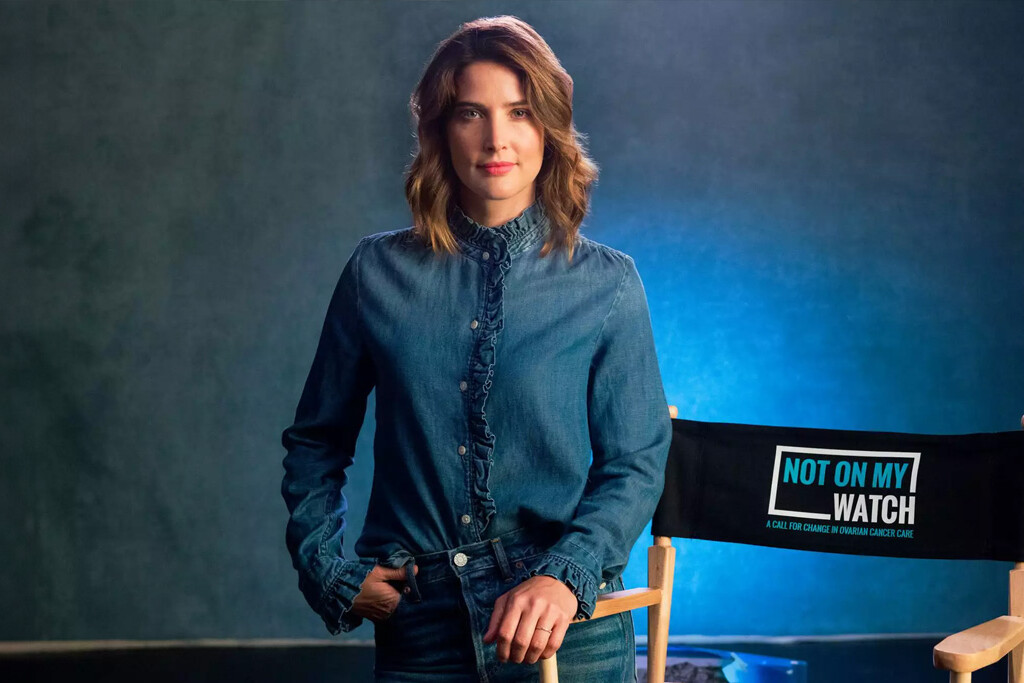






The most expensive rights discussion often begins after a healthcare team has already become attached to a name.

A celebrity can look ideal on the shortlist. The personal connection is credible. The audience fit is clear. The creative team can already see the campaign.
Then the talent’s representatives ask what the company expects to do with the performance after the initial production.
The answer may involve paid media, international markets, new edits, translated audio, archived content, or technology that can alter or recreate elements of the original performance. What the organization considers future flexibility may look to the talent like a materially broader commercial relationship.
By then, the candidate may have internal champions and creative may have begun forming around the person. The team is no longer evaluating the engagement from a neutral position. It is negotiating from attachment.
Usage is not paperwork that follows talent selection. The intended life of the performance is part of the talent decision itself.
A shortlist is already a rights decision
Healthcare organizations typically evaluate talent through story, disease connection, audience relevance, recognition, reputation, timing, and budget. Those factors are essential, but they do not fully define fit.
Every candidate has different expectations about where their name, image, voice, personal experience, and recorded performance may appear. A person may be well suited to a focused disease-education film but less suited to a campaign expected to expand across markets and formats. Another may support a longer relationship while remaining protective of how content can be edited or repositioned. A third may draw a firm boundary around generated speech or imagery.
Those positions do not make the person difficult. They describe different kinds of partnership.
A shortlist that ignores them is not yet a viable shortlist. It is a collection of appealing names whose practical fit remains unknown.
“Future use” is not one request
The phrase often collapses activities with very different implications. Editing approved footage is not the same as placing it in a new commercial setting. A translated version is not necessarily equivalent to a new recording. A digitally generated performance is not another cutdown.
SAG-AFTRA’s 2025 Commercials Contracts require informed consent for covered uses of a performer’s digital replica, including a reasonably specific description of the intended use. The contracts also address access, security, compensation, retention, and destruction. These provisions do not govern every celebrity engagement, but they reflect a wider expectation that generated-performance rights should not be buried in generalized language.
California’s AB 2602 similarly makes certain provisions involving new digital-replica performances unenforceable when specified conditions are met. The law is narrower than a general prohibition, but it reinforces the importance of specificity when a contract reaches beyond work the person actually performed.
Artificial intelligence did not create the tension between campaign flexibility and talent control. Healthcare organizations have long negotiated media, term, territory, editing, and renewal. It has raised the stakes because a future asset may contain words or actions the person never delivered.
Accessibility, localization, continuity, and campaign extensions may all be legitimate goals. Talent may have equally legitimate boundaries around generated speech, altered appearance, or unfamiliar contexts. When a team cannot explain what it may want to do, representatives must assess the widest plausible interpretation. That uncertainty can change interest, compensation, approvals, and trust before production begins.
The broadest grant can narrow the field
Organizations sometimes approach rights as an acquisition exercise: secure as much flexibility as possible now so the campaign will not need to renegotiate later.
That approach can discourage a candidate who would accept a more focused engagement, increase the price of rights the organization has no defined plan to use, and prolong negotiation over hypothetical scenarios.
It can also distort the talent comparison. A candidate may appear prohibitively expensive when the issue is not the person’s fee but the scope attached to the request. Another may appear easier to secure because their representatives are more permissive, even though the person is less credible for the story or less suitable for a lasting healthcare relationship.
The objective is not to obtain the broadest grant available. It is to establish a rights position that supports the campaign without unnecessarily reducing access to the right person. That balance depends on the talent, the health subject, the creative ambition, the anticipated campaign life, and the organization’s genuine plans for expansion.
In healthcare, permission and suitability are separate questions
A company may have the contractual right to use a performance and still need to determine whether a particular use remains appropriate.
Editing, placement, timing, and context can change what an audience understands. A shorter asset may retain a favorable statement while losing nearby qualification. A translated line may alter the degree of certainty conveyed by the original speaker. An older asset may remain accessible after supporting information or campaign resources have changed. A generated line may introduce words the spokesperson never delivered or reviewed.
FDA’s Office of Prescription Drug Promotion is responsible for helping ensure that prescription drug promotion is truthful, balanced, and accurately communicated. Its reviewers assess promotional materials to determine whether they are false or misleading.
A talent agreement and a healthcare review process answer different questions. The agreement establishes what the parties have authorized. Regulatory, legal, medical, and communications judgment determines whether a proposed use remains accurate, supportable, and appropriate in its new setting.
Broad rights do not guarantee a responsible path to exercising them.
Fit has to survive beyond the first shoot
A healthcare partnership can be creatively well cast and commercially miscast. A recognizable person may fit the first production while the rights, cost, approvals, and future uses make the larger relationship impractical.
Specialized talent procurement is most valuable before one name becomes difficult to reconsider. At that stage, the intended campaign life can still be assessed alongside representative expectations, creative ambition, cost, and healthcare responsibilities.
That assessment may lead to a more focused engagement, a reserved future option, a differently structured relationship, or a different talent choice. The value lies in knowing which answer fits this person, this story, this disease area, and this organization.
The strongest choice is not always the most recognizable person or the candidate with the fewest apparent restrictions. It is the person whose credibility, expectations, representatives, and willingness align with the partnership the organization can realistically sustain.
The first shoot may introduce the partnership. The decisions made before the shortlist determine whether it has somewhere credible to go next.
At the Amy Doner Group, we work with healthcare organizations and agencies to define that engagement early, identify talent whose fit extends beyond production day, and negotiate a partnership that can support the intended life of the campaign.
Sources
- SAG-AFTRA. “2025 Commercials Contracts.”
https://www.sagaftra.org/contracts-industry-resources/commercials/2025-commercials-contracts - California Legislative Information. “Assembly Bill No. 2602: Contracts Against Public Policy, Personal or Professional Services, Digital Replicas.”
https://leginfo.legislature.ca.gov/faces/billNavClient.xhtml?bill_id=202320240AB2602 - U.S. Food and Drug Administration. “The Office of Prescription Drug Promotion.”
https://www.fda.gov/about-fda/cder-offices-and-divisions/office-prescription-drug-promotion-opdp