
Raising Rare Disease Awareness
Raising Rare Disease Awareness
What Works Beyond One Day
Rare Disease Day lands at the end of February, but the awareness work it represents cannot be confined to one day. The most effective healthcare awareness efforts build momentum before the moment, and they keep it going long after the calendar flips.
For millions of patients and families, rare disease is not a headline. It’s a daily reality, often marked by long diagnostic journeys, limited public understanding, and constant advocacy just to be heard.
That’s why Rare Disease Day truly matters. It creates space for stories that deserve attention, and it gives healthcare brands, agencies, and patient organizations a timely opportunity to show up with purpose.
Why Rare Disease Day matters for healthcare awareness
Rare diseases can be rare by definition, but collectively they affect a meaningful portion of the population. What tends to be missing is not need… it’s visibility.
Rare Disease Day brings attention to three things many campaigns are trying to solve for:
Awareness that reaches beyond the patient community
Rare disease communities are already informed. The bigger challenge is reaching people who have never encountered the condition and may not recognize symptoms when they appear.
Conversation that supports earlier action
More awareness can lead to earlier questions, better self advocacy, and quicker paths to the right specialist. In rare disease, that timing matters.
Why authentic voices are the difference maker
Rare disease messaging needs to do more than inform. It has to connect. That is where authentic voices come in.
Patients and caregivers create instant relevance
When someone shares what it feels like to live with a rare condition, it shifts the tone from clinical to human. It makes the topic real and it builds empathy quickly.
Clinicians add clarity
Rare diseases can be complex. A trusted medical voice can help explain symptoms, testing, and treatment pathways in a way that helps support understanding without overwhelming the audience.
Celebrity involvement can break through when it is real
Celebrity healthcare campaigns are most effective when the connection is personal or genuinely mission aligned. A well matched spokesperson can help a rare disease story reach broader audiences, earn earned media attention, and reduce stigma simply by making the topic easier to talk about.
In rare disease, the goal is not noise, it’s credibility at scale.
What influencer marketing in healthcare can do well in rare disease
Influencer marketing healthcare efforts can be powerful in rare disease because community is already a major driver of awareness. Patients and caregivers often rely on peer networks for support, education, and validation.
The key is choosing voices that feel grounded and responsible.
Trusted creators can meet people where they already are
Many rare disease conversations happen online. Thoughtful creators can help translate information, share practical resources, and point people toward credible support.
Community trust matters more than follower count
In healthcare, engagement quality matters. People respond to voices that show consistency, empathy, and accuracy.
The best content feels like support, not promotion
When rare disease content is handled with care, it can feel like a hand reaching out, not a headline trying to grab attention.
The need to extend the impact beyond February
Rare Disease Day is a strong catalyst, but the most meaningful campaigns don’t end when the month ends. Here are a few ways teams build lasting momentum.
Continue the story in chapters
One post or one video rarely does the work. Ongoing storytelling keeps the condition visible and helps new audiences catch up over time.
Build around key moments throughout the year
Awareness months, conference milestones, advocacy events, and community gatherings can create natural points for continued engagement.
Keep the message practical
People engage when they know what to do next. Educational resources, symptom checklists, and patient support links can help turn awareness into action.
Treat the spokesperson relationship as long term
If a celebrity partner, patient advocate, or creator is truly aligned, consider building continuity. A steady voice builds trust, and trust is what rare disease awareness needs most.
Rare Disease Day is not just about awareness, it’s about recognition. It’s about helping patients feel seen and helping the public understand that rare does not mean insignificant.
When the voice is real and the storytelling is thoughtful, healthcare awareness campaigns can do more than raise visibility, they can change the conversation.
If you’re planning a rare disease initiative and exploring the right voice to bring it to life, we’d love to help.

Health on the World Stage
Health on the World Stage
What the 2026 Winter Olympics Teach Us About Celebrity Influence in Awareness Campaigns
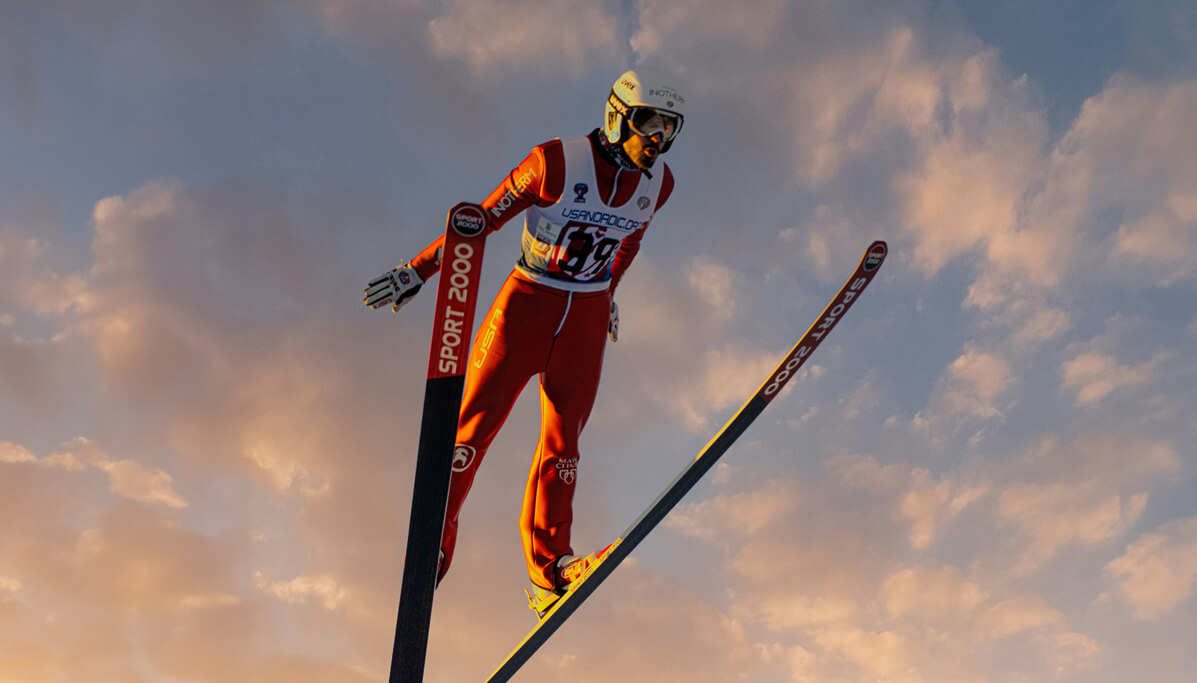
Every Winter Olympics pulls the world into the same conversation. The Milano Cortina 2026 Winter Olympic games are happening right now, and the attention is global. During moments like this, audiences are tuned in, storylines move fast, and the right voices can cut through in a way that feels natural and timely.
For healthcare brands and agencies, it’s a reminder of something we see again and again in celebrity healthcare campaigns: influence works best when it’s anchored in credibility, not just visibility.
Below are a few takeaways from the Olympics lens that apply directly to healthcare storytelling, celebrity endorsement in healthcare, and influencer marketing in healthcare.
Big cultural moments create a unique kind of attention
The Olympics is not just sport. It’s emotion, identity, and aspiration.
The Olympics compresses thousands of human stories into a few weeks. Comebacks, pressure, discipline, and resilience are all on display. That’s why it creates such a powerful platform for messages that are rooted in real life.
Sponsors and brands are finding new ways to show up
Traditionally, the Olympics has been known for limited on-field advertising. This year, sponsors are becoming more visible through placements and branded elements inside venues and broadcast environments. That shift matters because it reflects how audiences experience messaging during major cultural moments. It’s not always a commercial break anymore. It can be integrated into the environment people are already watching.
If you’re building a health awareness initiative, the format matters, but the message matters more.
Olympic athletes often have the kind of credibility health campaigns need
They live the discipline people aspire to
Athletes represent training, recovery, setback, and perseverance. In a healthcare context, those themes translate naturally to prevention, adherence, resilience, and behavior change.
Many athletes are also advocates
Olympic coverage increasingly includes stories about mental wellness, injury recovery, and the pressures of performance. The broader trend is clear, athletes are speaking more openly about what it takes to compete at the highest level, both physically and mentally.
For healthcare messaging, that openness is a reminder that people respond to the human story behind the headline.
The best influence isn’t loud. It’s believable.
Celebrity endorsement in healthcare works when the “why” is clear
Audiences can tell who is showing up for the right reasons. The same is true in healthcare. If a partnership feels like a surface-level endorsement, people tune out. If it feels connected to lived experience or a sincere point of view, people listen.
Influencer marketing in healthcare is shifting toward trust-based voices
The creator economy is still part of the mix, but healthcare is different. People don’t just want content. They want clarity, credibility, and a voice they believe. Olympic moments remind us that influence is earned when the messenger aligns with the message and the audience.
What this means for brands, agencies, and event teams
Think beyond the PSA
The Olympics shows how quickly a short clip, a live moment, or a real interview can travel. Health campaigns can borrow that mindset by focusing on formats that invite conversation and feel natural to the audience.
Match the voice to the moment
If your campaign is tied to a season, an awareness moment, or a cultural event, timing matters. The right spokesperson can elevate the message. The wrong spokesperson can distract from it.
Don’t overlook the live stage
For internal meetings and leadership events, the Olympics also reinforces the power of presence. Sometimes you don’t need a viral moment. You need a memorable one. If you’re looking to book a celebrity speaker for a sales kickoff, annual meeting, or leadership summit, the same rule applies: the best speakers aren’t just famous, they’re relevant to your audience and your purpose.
A final takeaway
The Milano Cortina 2026 Winter Olympics are a reminder that culture moves through stories.
That’s the heart of celebrity healthcare campaigns done well. Not bigger, not louder, just more believable.
If you’re exploring a health awareness campaign, a spokesperson partnership, or you want to book a celebrity speaker for an upcoming event, we can help you find the right voice and support the relationship from start to finish.

More Than Muscle: Why Athletes Make Powerful Health Campaign Spokespeople
More Than Muscle
Why Athletes Make Powerful Health Campaign Spokespeople
When most people think about celebrity healthcare campaigns, the image that comes to mind is often a familiar one: a well-known actor seated across from a doctor in a public service announcement, encouraging viewers to talk to their healthcare provider.
But athletes bring something different to the table, something that often resonates in deeper, more immediate ways.
Whether they’re still on the field or have since hung up their jersey, athletes hold a unique position in public consciousness. They embody discipline, performance, and resilience. For many health campaigns, those qualities can do more than raise awareness. They can drive action.
Athletes Carry Built-In Credibility
At their core, athletes represent physical health. They’re walking examples of what the human body can achieve when treated well. So when they speak on topics like heart health, injury prevention, men’s health, or mental wellness, people tend to listen.
That credibility isn’t manufactured. It comes from years of training, recovery, and sacrifice in full public view. Whether fans cheer them on for their talent or respect their tenacity, the relationship is built on trust. And for healthcare marketers, that trust can be a powerful bridge between message and audience.
Retired Doesn’t Mean Irrelevant
We’re often asked if campaigns need to feature athletes who are still actively playing. The answer depends on the campaign.
While current players might bring broader name recognition, retired athletes often have something just as valuable: time, availability, and lived perspective. Many retired athletes are more open about their health journeys, whether that means managing chronic pain, coping with mental health issues, or navigating a new diagnosis after their playing days are over.
That kind of openness makes them especially effective in educational campaigns, speaking engagements, and patient community outreach.
There’s More Than One Way to Bring Sports into the Story
Sometimes it’s not about the athlete at all. Sometimes, it’s about the environment.
We’ve worked on health campaigns that partner with stadiums, sponsor game days, and offer on-site screenings to fans. We’ve helped organizations tie messaging to big sporting events, send health ambassadors to tournaments, and coordinate ceremonial first pitches or coin tosses that generate media coverage and community engagement.
Even without a high-profile name attached, aligning with the sports world can be a smart, authentic way to connect with target audiences, especially for campaigns focused on lifestyle, men’s health, movement, or youth awareness.
More Than Just a Face on a Poster
The best sports-health crossovers happen when there’s a real connection between the athlete and the issue.
A former Olympian speaking about joint pain. A college football player sharing his journey with depression. A baseball legend encouraging prostate screenings after his own diagnosis. These aren’t just endorsements. They’re invitations for others to take their health seriously.
At The Amy Doner Group, we look at the full picture: audience, message, mission, and medium. From there, we identify talent that can move the conversation forward, sometimes through a personal story, sometimes through sheer presence, and often through both.
One standout example is our partnership with MLB legend Alex Rodriguez, who joined the Cover Your Bases campaign to raise awareness about gum disease and its connection to heart health and diabetes. A-Rod brought personal authenticity to a topic that isn’t exactly headline-grabbing, but deeply impacts millions, especially in communities of color. His story didn’t just generate media attention, it sparked real conversations between patients and providers.
Thinking Beyond Hollywood
Health campaigns don’t always need a red-carpet celebrity. Whether you’re planning a national PSA, a targeted awareness initiative, or a live healthcare event, don’t overlook the athlete advantage. Because sometimes, the most effective message doesn’t come from a screen, but from the field.