





Stop Letting the Calendar Drive Your Celebrity Talent Strategy
Stop Letting the Calendar Drive Your Celebrity Talent Strategy
Why an awareness month should reveal your healthcare campaign, not replace it.
September arrives crowded with health observances. World Alzheimer’s Month, Blood Cancer Awareness Month, Prostate Cancer Awareness Month, and Gynecologic Cancer Awareness Month all ask organizations, advocates, patients, caregivers, and the public to pay attention.
For healthcare communications teams, the calendar can be helpful. It gives the media a reason to cover a subject. Advocacy organizations are active. Communities are already gathering, sharing resources, fundraising, and telling stories. It can also create the wrong kind of urgency.
A team decides it needs a celebrity campaign for September. The launch date is fixed. Creative begins to take shape. Names are discussed. Availability starts to look like fit because there is no longer enough time to examine the difference.
Before long, the calendar date becomes the strategy itself, rather than the public moment the strategy was built to support.
A calendar date can distort the talent decision
The pressure usually begins with a reasonable objective. The organization wants to take part in a month when the disease area will receive greater attention. The trouble begins when the date is treated as non-negotiable before the spokesperson role is clear.
Talent procurement works differently from buying a media placement or reserving an event venue. The right public figure must have a credible reason to enter the conversation. Their representatives need to understand the opportunity. The organization needs to know what it is asking the person to say, do, approve, and represent.
Those decisions take judgment. They also take time.
When the calendar is driving the process, teams can become attached to whoever is available rather than whoever is right. A familiar name may receive more internal support because the choice is easy to explain. A thinner personal connection may be accepted because the campaign needs to launch. A proposed appearance or social post may be treated as sufficient simply because it can be delivered before the month ends.
The work can still attract attention. That does not mean the partnership was well chosen.
Give talent a role, not just a deadline
“Raise awareness” isn’t a campaign objective – it’s a placeholder. While it may sound like an objective, it leaves most of the important questions unanswered. Without a specific role, a celebrity becomes an expensive decoration placed beside a cause. The strongest celebrity roles are usually more precise.
A person may be helping families recognize symptoms that are often dismissed. They may be directing people toward screening information, showing what caregiving looks like, supporting research, correcting a damaging misconception, or making an overlooked patient experience easier to discuss.
The observance provides timing. The need provides the role. That distinction is especially important in awareness campaigns built around complex patient and caregiver realities.
Without that distinction, the celebrity can become a decoration placed beside the cause. Their presence signals that the issue matters, but the campaign never establishes why this person was necessary or what their participation allows the organization to accomplish.
That is often where awareness-month work begins to feel interchangeable. The ribbon changes. The condition changes. The quote remains roughly the same.
A credible partnership should not depend on the audience being impressed that someone famous showed up during the correct month.
The real strategic work happens early
A campaign may become public in September, but its strategic groundwork must be established much earlier.
That earlier work is not only production planning. It’s determining whether the talent has a connection that can withstand scrutiny, whether the proposed role fits the person’s public voice, and whether the campaign has a purpose that extends beyond a press cycle. It is also where potential problems are easier to see.
A compelling personal story may not support the specific action the organization wants audiences to take. A highly recognizable candidate may be unavailable for the level of participation the campaign needs. A public figure may care about the disease area but prefer not to become its long-term spokesperson. A representative may view the opportunity differently once media, usage, exclusivity, or future phases are understood.
Those are not complications to solve after the announcement has been promised. They are part of deciding whether the partnership should exist in the first place.
At Amy Doner Group, our process centers on this early evaluation. The goal is not to produce a name in time for the calendar or a deadline; it is to identify a person whose connection, expectations, representatives, and potential role support what the organization is actually trying to accomplish.
When that work is done well, the awareness month feels like a natural moment to introduce the partnership. It does not feel like the reason the partnership was assembled.
Concentrated attention can still be valuable
This is not an argument against awareness months.
A shared calendar can give disease communities a stronger collective voice. It can help smaller organizations reach audiences that may not encounter the issue during the rest of the year. It can create openings for earned media, public education, fundraising, screening initiatives, research announcements, and patient or caregiver stories. The opportunity is real.
The mistake is assuming that concentrated attention makes every campaign equally timely.
During a crowded month, audiences are being asked to notice many serious conditions at once. A celebrity appearance without a clear purpose may add volume without adding understanding. A partnership with a defined role can help the issue remain distinct.
The difference is not necessarily a larger campaign. It may be a quieter, more focused one. A short film, a patient visit, a research initiative, an interview, or a carefully chosen event may be more useful than a month of content built around a general awareness message.
The calendar should sharpen the work, not inflate it.
A limited engagement can be the right choice
Not every celebrity relationship needs to continue beyond the awareness month.
A focused, time-bound role can be entirely appropriate. The person may have a specific reason to participate in one event, one piece of content, or one fundraising effort. The organization may need a recognizable voice for a particular public moment rather than a long-term ambassador.
The issue is not duration. It’s intention.
A limited engagement should be selected because the role is complete, not because planning began too late to build anything else. The organization should understand what the talent is contributing, why that contribution matters now, and what happens when the month ends.
Sometimes the right conclusion is that the celebrity’s work is finished. The campaign may then continue through clinicians, advocates, patients, caregivers, researchers, or organizational resources.
That can be a strong handoff. It is different from allowing the entire initiative to disappear when the calendar changes.
The month should reveal the campaign, not contain it
The most useful awareness-month partnerships have a life on both sides of the date.
Before the month, there is a reason the person was chosen and a body of work worth introducing. During the month, public attention gives that work a stronger opening. Afterward, the audience has somewhere credible to go.
That does not require constant celebrity visibility. It requires a campaign whose value is not exhausted by the announcement.
A spokesperson can help bring a disease area into public view. The organization, advocacy partners, resources, research, and patient community must be prepared to carry the work when attention moves elsewhere.
September will end, and October will bring another set of observances, headlines, and requests for public attention.
The strongest talent strategy does not ask how to secure a celebrity before the month begins. It asks what the organization is building, what role a public figure can credibly play, and whether the work will still matter after the calendar turns.
At Amy Doner Group, we help healthcare organizations and agencies make those decisions early – before calendar pressure narrows your choices or forces availability to dictate your strategy.
Sources
- Alzheimer’s Disease International. “World Alzheimer’s Month.” https://www.alzint.org/get-involved/world-alzheimers-month/
- Blood Cancer United. “Blood Cancer Awareness Month.” https://bloodcancerunited.org/article/lls-calso-blood-cancer-awareness-month
- Prostate Cancer Foundation. “Prostate Cancer Awareness Month Toolkit.” https://www.pcf.org/pcam/toolkit/
- Ovarian Cancer Research Alliance. “September Is Gynecologic and Ovarian Cancer Awareness Month.” https://ocrahope.org/news/september-ovarian-cancer-awareness-month/
Related Insights



When Participation Becomes the Message: What Sir Chris Hoy’s Tour de 4 Shows About Advanced Cancer
When Participation Becomes the Message: What Sir Chris Hoy’s Tour de 4 Shows About Advanced Cancer
Some celebrity campaigns ask people to listen. Tour de 4 gave thousands of people a way to take part.

A cycling event led by one of Britain’s most accomplished Olympians could easily become a demonstration of exceptional physical performance.
Tour de 4 is more interesting because it is designed not to.
Founded by Sir Chris Hoy following his stage 4 prostate cancer diagnosis, the event returned to Glasgow on September 6, 2026, drawing around 3,500 riders. Participants could choose among several forms of involvement, ranging from a 56-mile route to a one-kilometer family ride and a static cycling challenge.
The event did more than tell audiences that life continues after an advanced cancer diagnosis. It created a public setting in which people affected by cancer could participate according to their own circumstances.
That distinction matters.
This is not evidence that exercise changes the course of advanced cancer. It is not a suggestion that every person can or should complete a physical challenge. The message is carried by the range of participation, not by the number of miles covered.
The activity is not a backdrop for the campaign. It is the campaign’s argument.
The event does more than illustrate the message
Celebrity health campaigns often include an event. The public figure appears, offers remarks, meets participants, and creates a reason for the media to attend.
In that model, the event supports the communications asset. The interview, photograph, or video remains the central piece of the campaign.
Tour de 4 reverses that relationship.
At this year’s event, around 3,500 riders took part. The format again ranged from demanding road routes to a family ride and static-bike participation, giving people different ways to enter the event rather than defining participation through one level of physical ability.
Those choices allowed the event to communicate through visible participation rather than a polished claim. The story was not simply that Sir Chris Hoy was riding. It was that thousands of people affected by cancer, directly and indirectly, were taking part alongside him.
The press did not have to repeat an abstract statement about people living with stage 4 cancer. It could report that people with cancer, relatives, friends, advocates, and supporters had come together and ridden in different ways.
That does not make the event representative of every advanced cancer experience. It makes room for more than one experience to be present.
The message would fail if only the celebrity could perform it
Hoy’s relationship to cycling gives the event its natural form. The activity is connected to his public identity, personal history, and existing community.
That fit gives the invitation credibility.
It also creates a risk. If the campaign centered only on an elite athlete completing a difficult route, the event could reinforce distance rather than challenge assumptions. The public might admire what Hoy can still do without seeing a place for anyone whose health, treatment, disability, age, or experience looks different.
The range of participation protects the campaign from becoming a test of endurance.
The event was deliberately built around different levels of participation, from time on a static bike to increasingly demanding outdoor routes. That range matters. A campaign about living with advanced cancer should not turn physical ability into evidence of courage, optimism, or worth.
Hoy gives the event its organizing idea. The event design prevents his performance from becoming the standard everyone else is expected to meet.
That is the more useful lesson for celebrity partnerships. The talent’s identity can shape the action without requiring the community to resemble the talent.
Participants are not background characters
In a conventional celebrity event, the crowd often confirms the importance of the person at the center. People attend to see the talent, support the talent, or become part of a photograph around the talent.
Tour de 4 gives participants a more substantial role.
Public coverage of the first event included people living with different stage 4 cancers, people adapting to changes in physical ability, relatives riding together, and participants honoring people who could no longer be there. Their reasons for taking part were not interchangeable.
That plurality changes the communications value of the event.
Hoy attracts attention and establishes the premise. The participants expand its meaning. They are not present simply to demonstrate the celebrity’s influence. They become part of the public account of what advanced cancer can look like.
This is particularly relevant for unbranded healthcare campaigns. A recognized person may create the entry point, but the campaign becomes more credible when the public figure is not asked to represent every patient, caregiver, or family.
The celebrity opens the conversation. The structure allows other people to speak within it.
Participation creates a different kind of earned attention
An interview gives the media a statement. An event gives them something happening in real time.
There are people preparing, arriving, attempting, adapting, supporting one another, finishing, or deciding what participation means for them. There are also reasons to return to the story before the event, during it, and after it.
That creates a different kind of campaign life.
The 2026 event has already raised approximately £2.7 million for cancer charities. The total was still being reported as current in the days immediately following the ride. Last year’s inaugural event ultimately raised more than £3.1 million.
Those figures demonstrate substantial participation and fundraising. They do not establish that the event changed every audience perception or health behavior. Nor does a charity event replace sustained investment in cancer research, patient services, access, or policy.
Its value is that it gives people and organizations a public way to contribute to work that extends beyond the event itself.
It also reduces the campaign’s dependence on repeated celebrity disclosure.
When a partnership has no action beyond media appearances, the talent may be asked to keep retelling the diagnosis, revealing additional personal information, or supplying new emotional material whenever attention slows.
A participatory platform creates other sources of relevance. The community, the returning event, the funds raised, the charities supported, and the experiences of participants can all move the story forward.
Not every condition needs a challenge event
The lesson from Tour de 4 is not that every healthcare organization should build a walk, ride, race, or physical challenge around a celebrity.
An activity can easily become exclusionary. It can oversimplify the realities of a condition or create pressure to perform resilience in public. A format that appears natural for an athlete may feel imposed on the patients and families the campaign is intended to support.
The action has to fit both the talent and the community.
In another campaign, participation might mean contributing to research, attending a screening, sharing a caregiver resource, joining a creative project, volunteering, or spending time with patients and families. The act may be public or quiet. Sometimes, simply showing up for patients, families, or a community can carry more weight than a highly produced activation.
What matters is whether the participation makes the campaign’s point more clearly than another statement from a spokesperson would.
Tour de 4 succeeds editorially because cycling is credible for Hoy and adaptable for others. The event can accommodate a long ride, a short ride, a static bike, support from the sidelines, fundraising, or remembrance without pretending those forms of involvement are identical.
The public action remains recognizable while the threshold for belonging stays flexible.
The strongest celebrity role may be convener
Celebrity procurement for a participatory campaign requires a different judgment from booking someone for an appearance or piece of content.
The central question is not simply whether the person can attract cameras to an event. It is whether their presence makes the invitation feel credible, whether they can share attention with the people affected by the issue, and whether the activity can continue to carry meaning beyond the celebrity moment.
Hoy is central to Tour de 4, but the event is not only a public demonstration of what Hoy can do.
His identity gives the campaign a shape. His diagnosis gives the work a personal reason. His visibility creates attention. The participants turn that attention into a collective act.
That is the distinction healthcare organizations should notice.
A celebrity can deliver a message about a condition. A more ambitious partnership can create a setting in which other people are able to enter the message and express it in their own way.
At the Amy Doner Group, we work with healthcare organizations and agencies to identify not only the right talent, but the role that person can credibly play. Sometimes that role is spokesperson. Sometimes it is a participant, host, or advocate.
The strongest choice is the one that serves the work rather than simply occupying its most visible position.
Sources
- Tour de 4. “Tour de 4 2026.” Current event results. https://www.tourde4.com
- Tour de 4. “About Tour de 4.” https://www.tourde4.com/about
- Maggie’s. “300 Fundraisers Cycle the Tour de 4 for Maggie’s.” September 7, 2026.
https://www.maggies.org/about-us/news/300-fundraisers-cycle-tour-de-4-for-maggies/ - Prostate Cancer UK. “Sir Chris Hoy’s Tour de 4 2026.”
https://prostatecanceruk.org/get-involved/fundraise-for-us/find-a-fundraising-event/tour-de-4
Related Insights

When Celebrity Disclosure Gives Awareness a Job
When Celebrity Disclosure Gives Awareness a Job
Lupita Nyong’o’s fibroid advocacy shows what changes when a personal health story is tied to a defined need.
In May, Lupita Nyong’o underwent a second myomectomy to remove more than 50 uterine fibroids. When she discussed the surgery publicly this summer, the update drew attention for understandable reasons. It was personal, difficult, and still recent.
But by the time that disclosure made headlines, the attention around her experience already had somewhere to go.
Earlier in the year, Nyong’o launched “Make Fibroids Count” with the Foundation for Women’s Health. The campaign was created to support a research grant focused on non-invasive and minimally invasive approaches to uterine fibroids. It has raised more than $230,000, surpassing its original $200,000 goal.
That sequence is worth examining.
A celebrity health disclosure can create awareness quickly. A stronger partnership decides what that awareness is supposed to make possible.
Attention is only the opening condition
When a public figure shares a health experience, news coverage can move faster than the campaign around it.
The disclosure becomes the story. Headlines summarize the diagnosis, treatment, symptoms, or emotional experience. Audiences respond with concern, recognition, and their own accounts. For conditions that have been minimized or poorly understood, that visibility can matter. But attention is not the same as direction.
A campaign can succeed in getting people to talk about a condition while leaving the larger problem untouched. The public may understand that the illness is common or burdensome without understanding what is missing from the current system, what kind of progress is needed, or where their attention should go next.
Make Fibroids Count does not stop at the observation that fibroids deserve greater recognition. It directs attention toward a defined research need: developing less invasive treatment options. The objective does not feel attached to Nyong’o’s story after the fact. It grows directly from it.
She has described undergoing one myomectomy after her original diagnosis and a second after the fibroids returned. Her experience gives the campaign a clear reason to focus on treatment options that could reduce the need for invasive procedures.
The disclosure creates interest. The research objective tells people why that interest matters.
A defined need changes the celebrity’s role
Personal connection is often discussed as a reason to select a particular spokesperson. It should also help determine what the person is being asked to do.
Nyong’o is not positioned as a clinician, researcher, or authority on which treatment is right for an individual patient. She is not endorsing a pharmaceutical product. Her role is to explain, through direct experience, why the absence of sufficient research and treatment choice has consequences. That is an important boundary.
The campaign does not ask her to prove the science. It asks her to make the need for science understandable.
In a March 2026 interview with the Commonwealth Fund, Nyong’o described research as necessary to give physicians and patients better options. She also connected her decision to work with the Foundation for Women’s Health to the organization’s focus on identifying and funding neglected areas of women’s health research.
Her recognition attracts an audience that the research issue may not otherwise reach. Her experience gives the issue specificity. The Foundation provides an institutional home for the funding and research process. Each party carries the part of the work it is suited to carry.
That division is often what allows a celebrity partnership to retain credibility. The public figure does not have to become the entire campaign, and the campaign does not have to stretch the person’s experience into expertise they do not claim.
A clear objective gives the story a second act
Celebrity health disclosures often produce a brief and intense cycle of attention.
A personal interview appears. Media outlets repeat the central facts. Social responses accumulate. Then the news cycle moves on.
A defined objective gives the partnership somewhere to go after that initial moment.
A research campaign can develop through fundraising milestones, grant selection, studies, findings, education, and future discussion about what the work has revealed. The celebrity can return at appropriate moments without having to produce a new personal revelation each time the campaign needs attention.
That is important for the talent relationship as well as the communications plan.
When a campaign has no next act beyond additional media, the pressure remains on the public figure to keep supplying the story. The partnership can become dependent on increasingly intimate details, repeated accounts of pain, or a level of personal access the talent never intended to provide indefinitely.
A specific objective shifts some of that weight from the person to the work.
The public story may open the campaign, but it does not have to remain its only source of relevance.
Not every disclosure needs a fundraiser
The lesson is not that every celebrity health campaign should raise money or create a research grant.
Different conditions present different barriers. One campaign may need to improve recognition of symptoms. Another may need to direct people toward screening, credible support, or a conversation with a healthcare professional. A third may need to correct a persistent misconception that prevents patients from seeking care.
The important distinction is between naming a subject and identifying the deficit the partnership can credibly address.
“Raise awareness” is often too broad to make that decision. It describes a communications ambition, but not necessarily the work the attention should perform.
The relationship among Nyong’o’s experience, the campaign, and the research goal is easy to understand. She experienced recurrent fibroids and repeated surgery. The initiative seeks to fund research into less invasive approaches. The public does not need specialized medical knowledge to understand why those elements belong together.
That coherence matters.
A celebrity’s personal connection may be sincere while the proposed campaign action still feels remote from the story. When the link is weak, the talent can appear to have been placed beside a worthy cause rather than selected for a role only that person could perform credibly.
Celebrity recognition should lead into the field, not replace it
A public figure can bring a health issue into view. That does not mean the issue begins with the celebrity or belongs to them.
Fibroid patients, advocates, clinicians, and researchers were working on the condition long before Make Fibroids Count. Nyong’o has publicly acknowledged joining an existing community and has directed audiences toward organizations already active in the field.
That posture strengthens rather than diminishes her role.
Celebrity participation is often most useful when it brings people to work that is already credible but insufficiently visible or funded. The person opens the door. Researchers, clinicians, advocates, and patient organizations carry the work further.
Campaigns can lose that balance when the celebrity’s visibility becomes the principal measure of success. The condition begins to orbit the person, and organizations with deeper subject-matter authority become supporting characters in their own field.
The stronger arrangement uses recognition to distribute attention.
In this case, the public figure makes the research gap easier to see. The Foundation administers the research initiative. The grant creates a path for qualified investigators to pursue the scientific work.
The celebrity is central to the invitation, but not mistaken for the solution.
Start with the work, then choose the voice
Some campaigns begin with a recognizable name and search afterward for the right message, action, or organizational partner.
Make Fibroids Count illustrates the value of the reverse sequence.
The relevant question is not only whether a public figure has a real connection to the condition. It is whether that connection naturally supports a need the organization is prepared to address.
When those elements align, the partnership has more than a story. The disclosure introduces the issue. The personal experience explains the stakes. The organization gives the action credibility. The objective gives the relationship a life beyond its first wave of coverage.
Without that direction, even a sincere and widely reported disclosure can leave behind little more than a temporary increase in attention.
Celebrity recognition should not be the final product of a health campaign. It should help something else happen.
At the Amy Doner Group, we work with healthcare organizations and agencies to identify talent whose personal connection fits not only the story being told, but the work the campaign is intended to advance.
Sources
- Who What Wear. “Lupita Nyong’o Pulls Double Duty for Christopher Nolan’s The Odyssey.” July 2026. https://www.whowhatwear.com/fashion/cover-features/lupita-nyongo-the-odyssey-interview-2026
- Foundation for Women’s Health. “FWH x Lupita Nyong’o Uterine Fibroid Research Grant.” https://www.foundationwomenshealth.org/lupita
- Foundation for Women’s Health. “Make Fibroids Count.” https://donate.foundationwomenshealth.org/campaign/768054/landing
- The Commonwealth Fund. “Lupita Nyong’o Is Done Accepting Fibroids as Normal.” March 20, 2026. https://www.commonwealthfund.org/publications/podcast/2026/mar/lupita-nyongo-done-accepting-fibroids-as-normal
Related Insights

The Talent Decision Now Starts With Future Uses, Not the First Shoot
The Talent Decision Now Starts With Future Uses, Not the First Shoot
The most expensive rights discussion often begins after a healthcare team has already become attached to a name.

A celebrity can look ideal on the shortlist. The personal connection is credible. The audience fit is clear. The creative team can already see the campaign.
Then the talent’s representatives ask what the company expects to do with the performance after the initial production.
The answer may involve paid media, international markets, new edits, translated audio, archived content, or technology that can alter or recreate elements of the original performance. What the organization considers future flexibility may look to the talent like a materially broader commercial relationship.
By then, the candidate may have internal champions and creative may have begun forming around the person. The team is no longer evaluating the engagement from a neutral position. It is negotiating from attachment.
Usage is not paperwork that follows talent selection. The intended life of the performance is part of the talent decision itself.
A shortlist is already a rights decision
Healthcare organizations typically evaluate talent through story, disease connection, audience relevance, recognition, reputation, timing, and budget. Those factors are essential, but they do not fully define fit.
Every candidate has different expectations about where their name, image, voice, personal experience, and recorded performance may appear. A person may be well suited to a focused disease-education film but less suited to a campaign expected to expand across markets and formats. Another may support a longer relationship while remaining protective of how content can be edited or repositioned. A third may draw a firm boundary around generated speech or imagery.
Those positions do not make the person difficult. They describe different kinds of partnership.
A shortlist that ignores them is not yet a viable shortlist. It is a collection of appealing names whose practical fit remains unknown.
“Future use” is not one request
The phrase often collapses activities with very different implications. Editing approved footage is not the same as placing it in a new commercial setting. A translated version is not necessarily equivalent to a new recording. A digitally generated performance is not another cutdown.
SAG-AFTRA’s 2025 Commercials Contracts require informed consent for covered uses of a performer’s digital replica, including a reasonably specific description of the intended use. The contracts also address access, security, compensation, retention, and destruction. These provisions do not govern every celebrity engagement, but they reflect a wider expectation that generated-performance rights should not be buried in generalized language.
California’s AB 2602 similarly makes certain provisions involving new digital-replica performances unenforceable when specified conditions are met. The law is narrower than a general prohibition, but it reinforces the importance of specificity when a contract reaches beyond work the person actually performed.
Artificial intelligence did not create the tension between campaign flexibility and talent control. Healthcare organizations have long negotiated media, term, territory, editing, and renewal. It has raised the stakes because a future asset may contain words or actions the person never delivered.
Accessibility, localization, continuity, and campaign extensions may all be legitimate goals. Talent may have equally legitimate boundaries around generated speech, altered appearance, or unfamiliar contexts. When a team cannot explain what it may want to do, representatives must assess the widest plausible interpretation. That uncertainty can change interest, compensation, approvals, and trust before production begins.
The broadest grant can narrow the field
Organizations sometimes approach rights as an acquisition exercise: secure as much flexibility as possible now so the campaign will not need to renegotiate later.
That approach can discourage a candidate who would accept a more focused engagement, increase the price of rights the organization has no defined plan to use, and prolong negotiation over hypothetical scenarios.
It can also distort the talent comparison. A candidate may appear prohibitively expensive when the issue is not the person’s fee but the scope attached to the request. Another may appear easier to secure because their representatives are more permissive, even though the person is less credible for the story or less suitable for a lasting healthcare relationship.
The objective is not to obtain the broadest grant available. It is to establish a rights position that supports the campaign without unnecessarily reducing access to the right person. That balance depends on the talent, the health subject, the creative ambition, the anticipated campaign life, and the organization’s genuine plans for expansion.
In healthcare, permission and suitability are separate questions
A company may have the contractual right to use a performance and still need to determine whether a particular use remains appropriate.
Editing, placement, timing, and context can change what an audience understands. A shorter asset may retain a favorable statement while losing nearby qualification. A translated line may alter the degree of certainty conveyed by the original speaker. An older asset may remain accessible after supporting information or campaign resources have changed. A generated line may introduce words the spokesperson never delivered or reviewed.
FDA’s Office of Prescription Drug Promotion is responsible for helping ensure that prescription drug promotion is truthful, balanced, and accurately communicated. Its reviewers assess promotional materials to determine whether they are false or misleading.
A talent agreement and a healthcare review process answer different questions. The agreement establishes what the parties have authorized. Regulatory, legal, medical, and communications judgment determines whether a proposed use remains accurate, supportable, and appropriate in its new setting.
Broad rights do not guarantee a responsible path to exercising them.
Fit has to survive beyond the first shoot
A healthcare partnership can be creatively well cast and commercially miscast. A recognizable person may fit the first production while the rights, cost, approvals, and future uses make the larger relationship impractical.
Specialized talent procurement is most valuable before one name becomes difficult to reconsider. At that stage, the intended campaign life can still be assessed alongside representative expectations, creative ambition, cost, and healthcare responsibilities.
That assessment may lead to a more focused engagement, a reserved future option, a differently structured relationship, or a different talent choice. The value lies in knowing which answer fits this person, this story, this disease area, and this organization.
The strongest choice is not always the most recognizable person or the candidate with the fewest apparent restrictions. It is the person whose credibility, expectations, representatives, and willingness align with the partnership the organization can realistically sustain.
The first shoot may introduce the partnership. The decisions made before the shortlist determine whether it has somewhere credible to go next.
At the Amy Doner Group, we work with healthcare organizations and agencies to define that engagement early, identify talent whose fit extends beyond production day, and negotiate a partnership that can support the intended life of the campaign.
Sources
- SAG-AFTRA. “2025 Commercials Contracts.”
https://www.sagaftra.org/contracts-industry-resources/commercials/2025-commercials-contracts - California Legislative Information. “Assembly Bill No. 2602: Contracts Against Public Policy, Personal or Professional Services, Digital Replicas.”
https://leginfo.legislature.ca.gov/faces/billNavClient.xhtml?bill_id=202320240AB2602 - U.S. Food and Drug Administration. “The Office of Prescription Drug Promotion.”
https://www.fda.gov/about-fda/cder-offices-and-divisions/office-prescription-drug-promotion-opdp
Related Insights

Unbranded Today, Branded Tomorrow: Building a Partnership That Can Make the Transition
Unbranded Today, Branded Tomorrow: Building a Partnership That Can Make the Transition
The strongest unbranded partnerships are not selected only for the campaign in front of them. They are built with an understanding of where the relationship may go next.

An unbranded disease-awareness campaign can be the beginning of a valuable long-term celebrity partnership.
The spokesperson develops a credible connection to the issue. Audiences become familiar with the person’s story. The talent, representatives, healthcare organization, and agency learn how to work together. When a branded opportunity later emerges, continuing the relationship may feel both natural and efficient.
Often, it is.
But a successful transition is rarely the result of simply adding a product name to an existing engagement. It begins much earlier, when the original talent strategy is being developed.
The right question is not only whether a public figure fits the current disease education campaign. It’s whether the person, their story, their representatives, and the proposed relationship could credibly support the directions the campaign may take in the future.
That is where experienced healthcare talent procurement matters most.
The branded future begins with the unbranded selection
An unbranded campaign and a branded campaign ask different things of a spokesperson, but they do not have to be treated as unrelated opportunities.
When the possibility of branded work is understood early, it can inform the original talent search without compromising the unbranded campaign’s purpose.
A candidate may be highly credible discussing a diagnosis, caregiving experience, or the importance of seeking reliable information. The deeper evaluation is whether that connection could remain credible if the relationship later became product-specific.
That does not mean asking the talent to commit to branded work before the opportunity exists. It means understanding whether the potential future relationship is compatible with the person being considered.
Some public figures may be deeply committed to disease education but uncomfortable with product promotion. Others may be open to branded work only under particular circumstances. Existing partnerships, category restrictions, personal treatment experience, advocacy roles, and career considerations may all affect the answer.
Those distinctions are easier to understand before an organization and its creative partners become attached to one name.
At Amy Doner Group, the early work is designed to look beyond the immediate deliverable. The current campaign remains the priority, but the evaluation also considers whether the relationship has a credible path to grow.
The same story carries different weight once a product is named
Disease-awareness communications generally discuss a condition without naming or suggesting a particular drug or device. A public figure may help people recognize symptoms, understand an overlooked burden, or begin a conversation with a healthcare professional.
The spokesperson’s credibility comes from their connection to the condition.
Once a treatment is named, that same story enters a commercial context. The public may interpret the person’s participation as evidence of product experience, preference, or recommendation, even when the spokesperson makes no such claim.
That does not mean the transition should be avoided. It means the transition changes the work the personal story is being asked to perform.
A patient can speak credibly about the path to diagnosis without having experience with every available treatment. A caregiver can advocate for greater recognition of a disease without automatically supporting one product. A public figure can remain highly appropriate for branded work, but the basis for that fit must be considered in the new context.
When the early talent strategy accounts for that possibility, the organization is better positioned to distinguish a relationship that can develop naturally from one that would require the spokesperson’s story to carry more than it credibly can.
A successful transition is planned, not assumed
The strongest unbranded-to-branded partnerships are developed through foresight rather than contractual momentum.
The original talent selection considers more than whether the person can deliver the first campaign successfully. It considers whether the story has room to develop, whether the talent’s expectations align with the organization’s longer-term goals, and whether representatives understand the possible direction of the relationship.
This does not require every future phase to be negotiated in advance. Campaigns change. Product timelines move. New information emerges. Talent priorities evolve.
It does require enough clarity to avoid presenting branded work later as though it were merely another asset within the original assignment.
For the talent and representatives, product promotion may carry different commercial, reputational, and personal implications. Exclusivity can become more consequential. Media expectations may change. Social participation may require clearer disclosures. Interviews may move from lived experience into questions about efficacy, safety, cost, access, or treatment decisions.
The FTC’s endorsement guidance also makes clear that material relationships should be disclosed when audiences would not reasonably understand or expect them, and that an endorser should not communicate unsupported claims or experiences they did not have.
These considerations do not prevent continuity. They help define the conditions under which continuity can remain credible.
Continuity can become an asset
When the right spokesperson is selected and the relationship is developed thoughtfully, the move into branded work can build on something valuable.
Amy Doner Group’s partnership between Cyndi Lauper and Novartis offers a clear example. ADG initially brought the two together for unbranded psoriasis education, establishing a role grounded in Lauper’s own experience with the condition. The relationship later expanded into branded work and continued for more than a decade, becoming one of the longest-running collaborations between celebrity talent and a pharmaceutical company.
That longevity was not created by simply extending the original agreement. It began with selecting someone whose connection to the condition, public voice, representatives, and willingness could support a relationship with room to evolve.
Explore the Cyndi Lauper and Novartis partnership
The audience already recognized Lauper’s connection to psoriasis. She understood the subject and the boundaries of healthcare communications. Her representatives and the organization had experience working together, and the creative relationship had already been tested.
That foundation allowed the partnership to develop with greater depth than a branded engagement beginning from zero.
The transition still deserves a fresh decision
Planning for a potential branded future does not mean the same spokesperson must continue.
The branded phase remains a new assignment. The talent’s willingness, product relationship, public standing, existing commitments, rights, fees, and audience interpretation should still be considered at the time the opportunity becomes real.
The difference is that the organization is not beginning that evaluation after the fact.
The possibility has already informed the relationship. Representatives have not been surprised by the direction. The organization understands where the talent may have boundaries. The original campaign has been developed in a way that gives continuity a credible chance.
The decision can therefore be based on whether the partnership still fits, not on whether the team has become too invested to consider another path.
Sometimes the early work confirms that the same spokesperson is the strongest choice. Sometimes circumstances have changed and another voice is more appropriate. Both outcomes reflect sound talent strategy.
The objective is not continuity at any cost. It is to create an unbranded partnership capable of evolving when the opportunity, the talent, and the campaign remain aligned.
The work begins before the first outreach
A strong unbranded partnership should accomplish its immediate purpose. It should not feel like a disguised product campaign or a placeholder for future promotion.
At the same time, healthcare organizations do not have to ignore what may come next.
The most effective planning allows the unbranded work to stand on its own while recognizing that the talent relationship may have a longer life. That requires early judgment about the person, the story, the representatives, and the kinds of commercial association the partnership may eventually involve.
This is the work Amy Doner Group brings to the beginning of the process.
We help healthcare organizations and agencies evaluate not only who can credibly lead the campaign being developed today, but whether the relationship has the substance, flexibility, and alignment to support tomorrow’s opportunity.
When that work is done early, moving from unbranded disease education to branded promotion does not have to threaten the credibility already established. It can become the next credible chapter of the partnership.
Sources
- U.S. Food and Drug Administration. “Disease Awareness and Prescription Drug Communications on Television: Evidence for Conflation and Misleading Product Impressions.” https://www.fda.gov/drugs/spotlight-cder-science/disease-awareness-and-prescription-drug-communications-television-evidence-conflation-and-misleading
- U.S. Food and Drug Administration. “FDA Launches Crackdown on Deceptive Drug Advertising.” September 9, 2025. https://www.fda.gov/news-events/press-announcements/fda-launches-crackdown-deceptive-drug-advertising
- Federal Trade Commission. “The FTC’s Endorsement Guides: What People Are Asking.” https://www.ftc.gov/business-guidance/resources/ftcs-endorsement-guides-what-people-are-asking
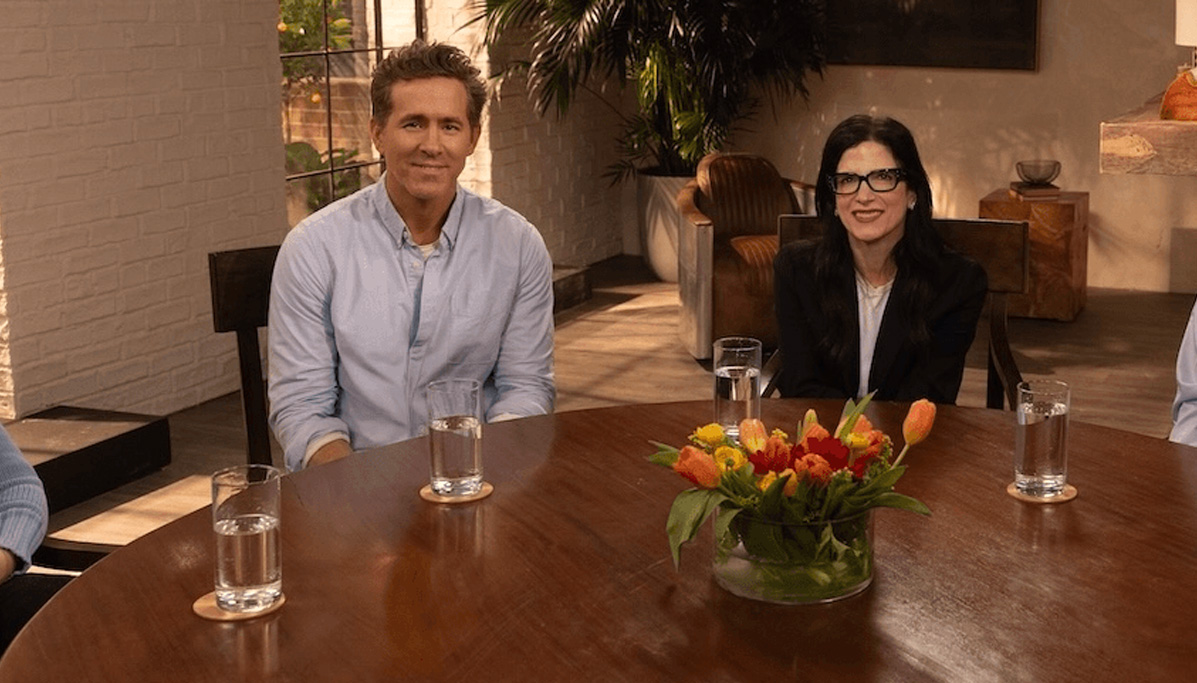
Ryan Reynolds and Acadia: A Partnership Built to Last
Ryan Reynolds and Acadia: A Partnership Built to Last
What began as a one-year collaboration has grown into a multiyear commitment to telling the often unspoken story of Parkinson’s-related hallucinations and delusions.
In celebrity partnerships, renewal is one of the clearest measures of fit. When a one-year collaboration becomes a multiyear commitment, the relationship is doing more than generating visibility. It is building trust, relevance and an opportunity for the story to deepen.
We’re proud that Ryan Reynolds and our client, Acadia Pharmaceuticals, are continuing their work together on the More to Parkinson’s campaign for another year. The campaign brings attention to Parkinson’s-related hallucinations and delusions – common, yet frequently overlooked or misunderstood nonmotor symptoms of the disease.
Ryan’s connection to this work is deeply personal. His late father, Jim Reynolds, lived with Parkinson’s and experienced hallucinations and delusions. By speaking candidly about what those symptoms meant for his father and their family, as well as what they wish they had understood at the time, Ryan brings an emotional truth to the campaign that no script could manufacture.
That honesty has resonated. Ryan has heard from people whose families have faced similar experiences, including many who have thanked him for helping bring this difficult part of Parkinson’s into the open. It is a reminder that the right spokesperson does more than attract attention. They help people recognize themselves in the story and feel less alone.
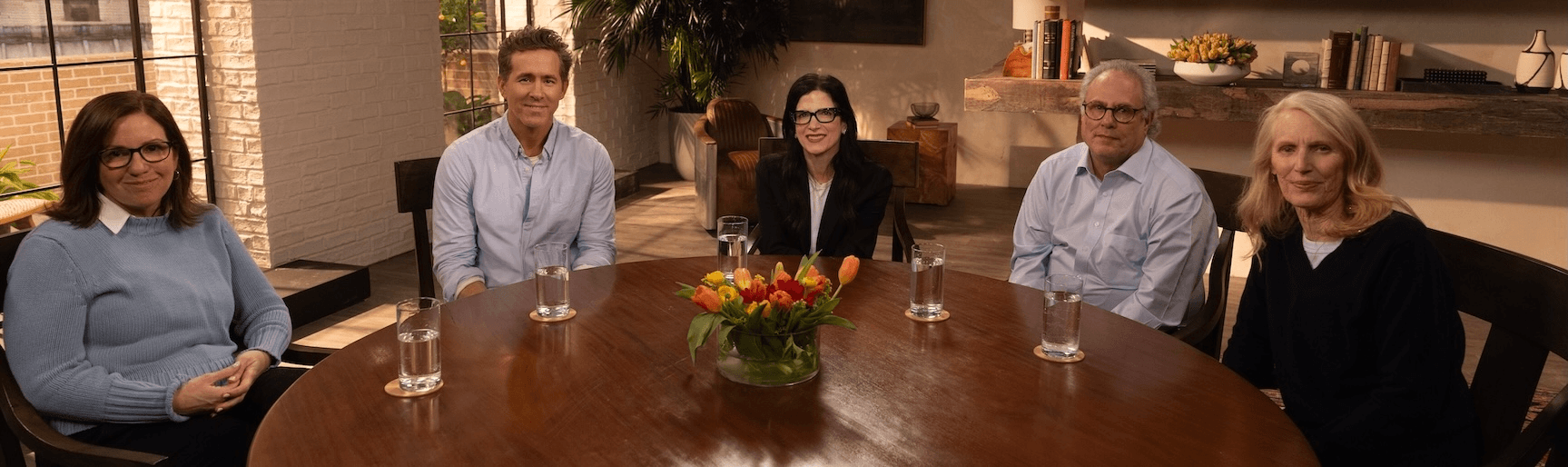
The newest phase of More to Parkinson’s thoughtfully expands the conversation. Ryan sits down with Parkinson’s advocates to share additional first-hand perspectives, break the silence surrounding these symptoms and encourage more open conversations among patients, care partners, families and healthcare providers. Rather than repeating the campaign’s first year, the partnership is building on it.
For us, this is what a successful celebrity partnership should look like. The right match creates credibility. Continued collaboration creates depth, momentum and the potential for lasting impact. We are honored to have helped bring Ryan and Acadia together, and excited to see this meaningful partnership continue to grow.

Why Documentary Shorts are Becoming a Go-to Format for Health Awareness
Why Documentary Shorts are Becoming a Go-to Format for Health Awareness
Health awareness used to live in neat little boxes. A PSA. A one-page fact sheet. A campaign slogan that showed up for a month and then disappeared.
That approach still has a place, but audiences have changed. People want to understand the human side of a condition, not just the headline. They want to hear a real story, in a real voice, with enough time to actually feel something.
That’s why documentary shorts are showing up more often in healthcare awareness work. They create space for truth, nuance, and credibility. They also give brands and advocacy teams a format that can travel across channels without feeling like an ad.
Why short documentaries work so well for healthcare awareness
They make complex topics easier to absorb
Healthcare messaging can get technical fast. A short documentary lets you teach without lecturing. Viewers can follow a person, a family, or a journey, and the information lands naturally along the way.
They build trust by showing, not telling
Trust is the real currency in health communication. A documentary short earns attention because it feels grounded. It shows lived experience, real emotion, and real stakes. That tone helps audiences stay open to the message.
They invite empathy, which leads to action
Awareness is not the end goal. Action is. Screenings. Provider conversations. Better understanding inside families and communities. Documentary shorts help people connect emotionally first, which is often what motivates the next step.
How celebrity healthcare campaigns fit into documentary storytelling
A celebrity can open the door, but the story has to do the work
Celebrity healthcare campaigns work best when the partnership feels believable. Documentary shorts are a natural match for that because they allow a spokesperson to show up as a person, not a script reader. The audience can see why the cause matters to them.
A quiet conversation. A personal reflection. A willingness to listen. Documentary formats tend to reward honesty over polish. That is exactly what healthcare audiences respond to right now.
Why this format is showing up more often right now
People have learned to tune out slogans. They want substance. Documentary shorts feel like substance.
A strong short film can live on a campaign landing page, show up in earned media, be cut into shorter social segments, and support live event programming. It holds together because it is built around a story, not a tagline.
A practical takeaway
If your goal is healthcare awareness that actually sticks, documentary storytelling is worth considering. It gives your message room to breathe, and it gives audiences a reason to care.
If you are exploring a campaign and wondering whether a documentary short, a spokesperson, or a creator strategy fits the moment, we can help you think it through and find the right voice for the right story.

Lessons from ALS Awareness Month
Lessons from ALS Awareness Month
ALS Awareness Month tends to stop people in their tracks. Not because the condition is new, but because the reality of ALS is hard to soften. It forces urgency into the conversation.
For families, ALS rarely arrives neatly. It arrives as a shift in the body, then a shift in the household, then a shift in everything. Caregiving becomes part of daily life. Time becomes more visible and decisions get heavier.
That is why ALS awareness is different. It is not a space where a campaign can rely on generic language or broad inspiration. People living with ALS and the communities supporting them can tell immediately whether a message is grounded in reality or built for attention.
ALS shows what strong healthcare awareness really requires
Most awareness efforts fight for visibility. ALS awareness has a different challenge. It demands credibility.
The campaigns that land in this space tend to share a few characteristics. They are not flashy. They are respectful. They are specific. They do not try to oversimplify something that cannot be simplified.
Lead with the lived experience, not the headline
ALS stories do not need a dramatic hook. The truth is enough.
When a campaign starts with the patient and the caregiver experience, audiences lean in. When it starts with a brand message or a polished script, it can feel out of place.
Say less, but mean more
In ALS, over-explaining can feel like distance. Over-promising can feel like denial.
Strong messaging in this category is usually clear, restrained, and honest. It respects the intelligence of the audience and it respects the reality of the condition. That tone builds trust, especially with communities that have heard too many empty phrases.
Give people one real next step
ALS Awareness Month brings attention, but attention is not the goal. It is what comes after attention that matters.
The best awareness efforts give people a simple way to respond. Support a credible organization. Learn what caregiving looks like. Fund research. Show up for families. Keep the conversation going after May ends.
What brands and agencies can learn from ALS Awareness Month
ALS is a reminder that healthcare awareness is not one size fits all.
Some categories can rely on broad messaging and still succeed. ALS cannot. It demands a higher standard of care in storytelling, in tone, and in the way a campaign asks the public to engage.
Respect is not a style choice
It is the foundation. It shows up in who you center, what you say, what you do not say, and how you show up after the spotlight moves on.
The audience is not just the general public
The first audience is the community itself. Patients, caregivers, advocates, clinicians. They are paying attention. If they feel seen and respected, the campaign has a chance to earn broader trust.
What this comes down to
ALS Awareness Month is a reminder that visibility is not enough. People need to feel the reality of the condition, understand why it matters, and know what to do next.
If you are building an ALS initiative or any healthcare awareness campaign rooted in a patient community that expects substance, the right voice and the right approach matter. We help brands and agencies secure talent in a way that respects the mission and supports the engagement from start to finish.

Celebrity Endorsements in Wellness Are Evolving: What Brands Can Learn Right Now
Celebrity Endorsements in Wellness Are Evolving
What Brands Can Learn Right Now
Wellness has changed. Audiences are more skeptical, more informed, and quicker to call out anything that feels staged. At the same time, consumer health brands are competing in a crowded space where everyone claims to be essential.
That combination is pushing celebrity partnerships to evolve. The old formula of a famous face plus a generic claim is not enough anymore. When celebrity endorsement healthcare and wellness campaigns work today, it’s because the partnership feels relevant and human.
A recent example in the consumer health space is Bayer’s One A Day campaign featuring Ludacris. It’s a reminder that the right celebrity can still move attention and build connections, but only when the message and the messenger make sense together.
What’s different about wellness right now
In pharma and healthcare, messaging carries built-in gravity. In wellness, brands often have to earn trust from scratch. That’s why the tone of the partnership matters so much.
People are wary of anything that feels like a cash grab
Audiences can tell when a spokesperson is reading lines and going through the motions. In wellness, that disconnect can kill any momentum.
The market is loud
Supplements, routines, and “daily essentials” are virtually everywhere. If the message isn’t memorable, it disappears.
Credibility is fragile
In wellness, trust is often the product. A misaligned partnership can create skepticism that’s hard to undo.
What celebrity partnerships are doing better now
The strongest wellness campaigns are less formal. They feel more like a real person endorsing something they actually use, or at least something they can talk about naturally.
The voice feels like the person
When the spokesperson’s tone matches the brand, the message lands more easily. It doesn’t feel like a costume.
The message is simple
Wellness campaigns rarely win by overexplaining. The best ones are clear about what they are, who they’re for, and why it matters.
How this connects to speaking and events
Wellness brands are increasingly using celebrity voices beyond marketing. The right partner can energize a sales meeting, anchor an internal kickoff, or help frame a brand story at an event.
If you want to book celebrity speaker talent for a wellness moment, the same rules apply. Relevance matters. Tone matters. The audience has to believe the person belongs in the room.
If you’re exploring a wellness spokesperson, a consumer health campaign, or an event appearance, we can help you find the right partner and support the engagement from start to finish.
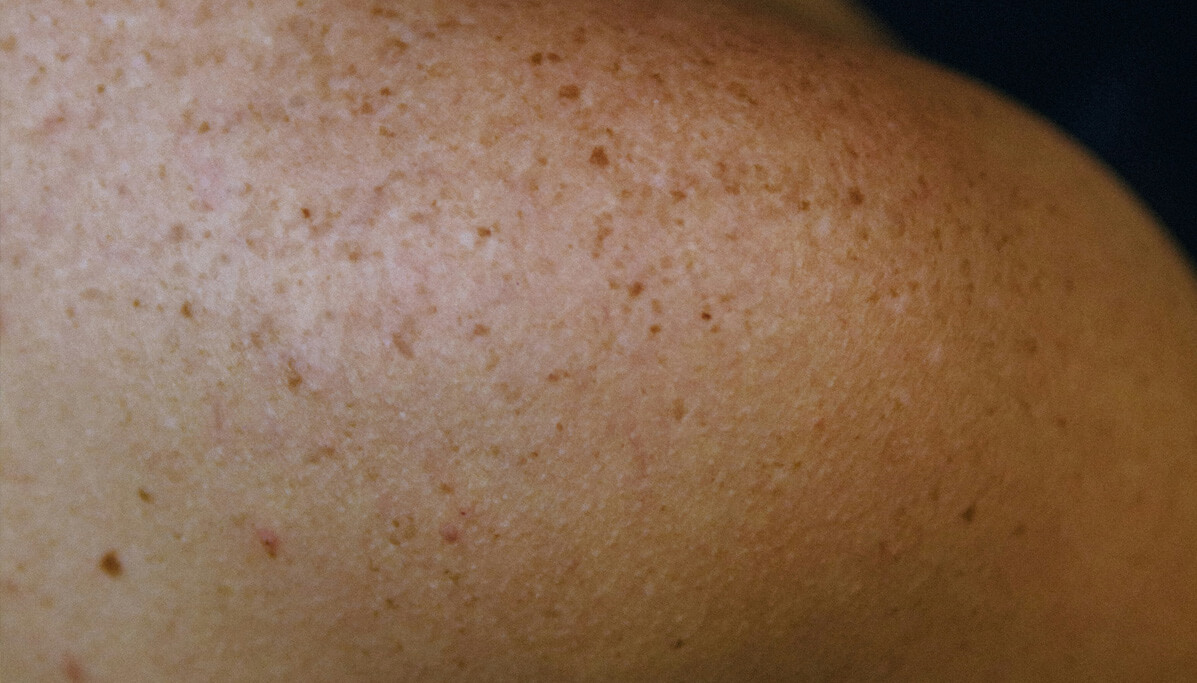
Skin Cancer Awareness Month: The Right Voice Can Move People to Get Screened
Skin Cancer Awareness Month
The Right Voice Can Move People to Get Screened
Skin Cancer Awareness Month lands at the perfect time. Summer is just around the corner. People are spending more time outside, traveling, and getting back into routines that may involve a lot of sun exposure.
It’s also the time of year when a simple reminder can lead to real action. A skin screening, a dermatologist appointment, or a conversation that someone has been putting off.
That’s what makes this month so valuable for healthcare awareness campaigns. The goal is not just education, it’s getting people to do something.
Why skin cancer awareness seems easy, but still gets ignored
Most people know sun protection matters. They’ve heard it since they were kids. And yet, many still skip sunscreen, avoid screenings, and assume skin cancer is something that happens to someone else.
The risk feels distant
Even people with risk factors often think they have time. They tell themselves they will deal with it later, especially if they feel fine.
Sunscreen feels optional
It becomes a “beach day” habit instead of an everyday habit. That framing makes it easier to forget.
Screenings get delayed
Many people don’t know how simple a skin check can be, or they wait until something looks obviously wrong. This is where messaging has to be more than a reminder. It has to be specific, relevant, and motivating.
Why the right spokesperson can make the message stick
Skin cancer awareness is behavioral. People don’t change habits because they see a statistic. They change habits when the message feels very personal.
Celebrity healthcare campaigns can work especially well here because skin cancer prevention is visual, relatable, and seasonal. When the right public figure shares a story or a reason they take screenings seriously, it lowers the barrier for everyone else.
Celebrities can help prevention feel normal
A familiar voice talking about sunscreen or a dermatologist visit can make it feel like a standard part of self care, not a scary medical event.
They turn a vague idea into a clear next step
The best messages are not just “wear sunscreen.” They’re “schedule a skin check” and “look for changes” and “do it before summer gets busy.”
The message reaches people who don’t pay attention to health messaging
A lot of people tune out anything that feels like a PSA. A well-matched voice can reach audiences who would not otherwise engage.
Where influencer marketing can support real behavior change
Influencer marketing in healthcare can also be effective for skin cancer awareness because it lives in daily life. Sun exposure is part of workouts, school pickup, vacations, sports, and weekend errands. Creators can help make prevention habits feel practical instead of preachy.
Routine based content works
Small habits repeated over time are often more persuasive than one big awareness moment.
Education feels more approachable
A creator can show what a skin check is like, talk about what to expect, or explain why they changed their routine. That kind of content can remove a lot of hesitation.
Community trust matters
In this category, credibility comes from consistency. People believe voices that show up year after year, not just once.
What strong skin cancer campaigns tend to do well
Skin Cancer Awareness Month creates a clear window for action. The campaigns that perform best usually focus on a few simple things:
They connect prevention to real life
Outdoor lifestyle, sports, travel, and family routines are where the message lands best.
They create urgency without fear
Tone matters, this is not about panic. It’s about making the next step feel reasonable and important.
They point to a clear action
Screenings are a concrete next step. It’s easier to measure, easier to communicate, and easier for audiences to act on.
Why now matters
Before summer gets busy is the best time to build screening behavior. Once vacation season hits, people delay appointments. They forget. They put it off until fall.
Skin Cancer Awareness Month is a chance to move prevention from a good idea to a calendar reminder.
If you’re planning a skin cancer awareness initiative and exploring the right spokesperson or influence strategy, we can help you find a voice that fits the message and supports real action.